Can Hearing Aids Help Tinnitus?
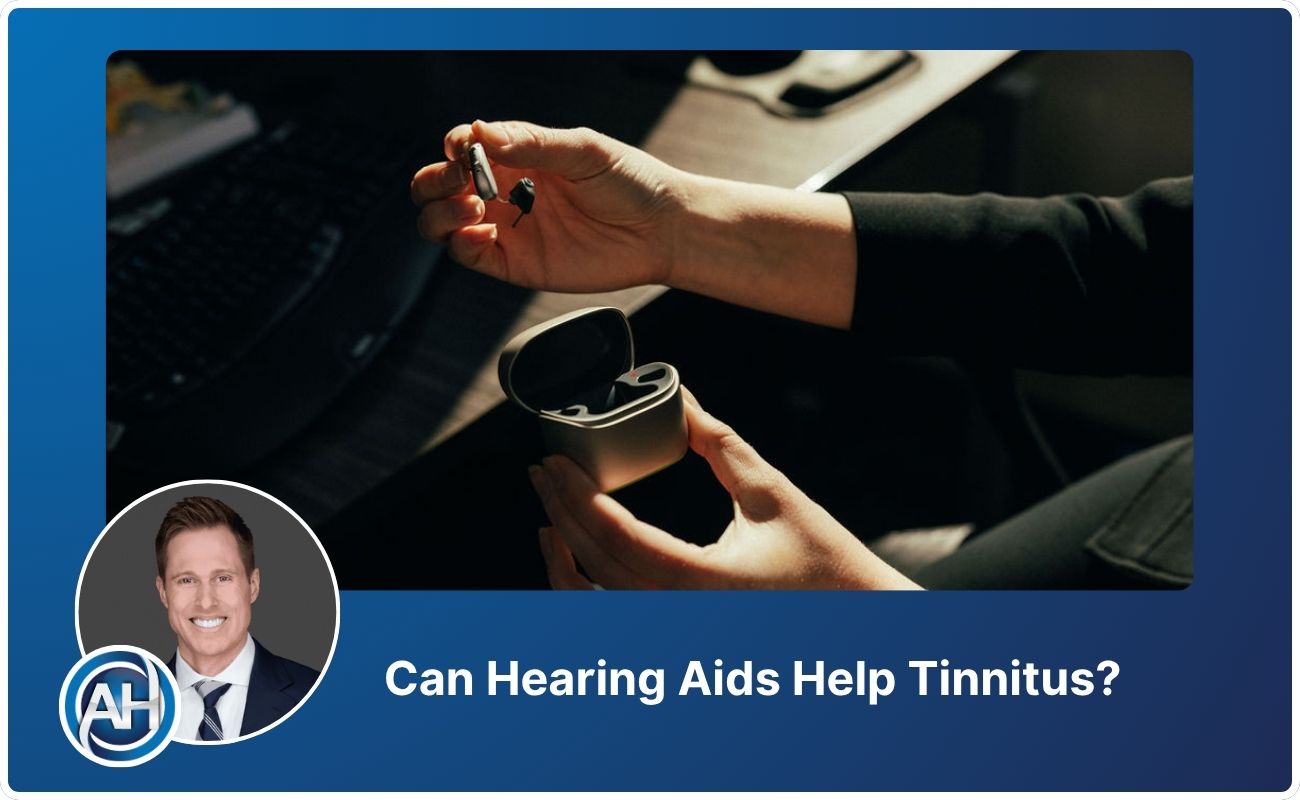
Properly fitted hearing aids reduce tinnitus intrusiveness by restoring missing sound input to the brain and offering built-in customizable sound therapy programs.
Integrate your CRM with other tools
Lorem ipsum dolor sit amet, consectetur adipiscing elit lobortis arcu enim urna adipiscing praesent velit viverra sit semper lorem eu cursus vel hendrerit elementum morbi curabitur etiam nibh justo, lorem aliquet donec sed sit mi dignissim at ante massa mattis.
- Neque sodales ut etiam sit amet nisl purus non tellus orci ac auctor
- Adipiscing elit ut aliquam purus sit amet viverra suspendisse potenti
- Mauris commodo quis imperdiet massa tincidunt nunc pulvinar
- Adipiscing elit ut aliquam purus sit amet viverra suspendisse potenti
How to connect your integrations to your CRM platform?
Vitae congue eu consequat ac felis placerat vestibulum lectus mauris ultrices cursus sit amet dictum sit amet justo donec enim diam porttitor lacus luctus accumsan tortor posuere praesent tristique magna sit amet purus gravida quis blandit turpis.

Techbit is the next-gen CRM platform designed for modern sales teams
At risus viverra adipiscing at in tellus integer feugiat nisl pretium fusce id velit ut tortor sagittis orci a scelerisque purus semper eget at lectus urna duis convallis. porta nibh venenatis cras sed felis eget neque laoreet suspendisse interdum consectetur libero id faucibus nisl donec pretium vulputate sapien nec sagittis aliquam nunc lobortis mattis aliquam faucibus purus in.
- Neque sodales ut etiam sit amet nisl purus non tellus orci ac auctor
- Adipiscing elit ut aliquam purus sit amet viverra suspendisse potenti venenatis
- Mauris commodo quis imperdiet massa at in tincidunt nunc pulvinar
- Adipiscing elit ut aliquam purus sit amet viverra suspendisse potenti consectetur
Why using the right CRM can make your team close more sales?
Nisi quis eleifend quam adipiscing vitae aliquet bibendum enim facilisis gravida neque. Velit euismod in pellentesque massa placerat volutpat lacus laoreet non curabitur gravida odio aenean sed adipiscing diam donec adipiscing tristique risus. amet est placerat.
“Nisi quis eleifend quam adipiscing vitae aliquet bibendum enim facilisis gravida neque velit euismod in pellentesque massa placerat.”
What other features would you like to see in our product?
Eget lorem dolor sed viverra ipsum nunc aliquet bibendum felis donec et odio pellentesque diam volutpat commodo sed egestas aliquam sem fringilla ut morbi tincidunt augue interdum velit euismod eu tincidunt tortor aliquam nulla facilisi aenean sed adipiscing diam donec adipiscing ut lectus arcu bibendum at varius vel pharetra nibh venenatis cras sed felis eget.
If you're hearing a ring, buzz, or hiss that nobody else can hear, you already know how disruptive tinnitus can be. It shows up in quiet rooms, during conversations, right when you're trying to fall asleep. A lot of patients come to us assuming tinnitus and hearing loss are two separate problems. Usually, they're not.
The Hearing Loss Connection
Nearly 90% of people with chronic tinnitus also have some degree of hearing loss. That's not a coincidence.
The leading theory behind tinnitus is that it stems from a lack of sound input to the brain. When your ears stop sending certain frequencies, the brain doesn't just accept the silence. It fills the gap with phantom sound, and that's the ringing or buzzing you're hearing. So in a lot of cases, tinnitus isn't the actual problem. It's a symptom of hearing loss the brain is reacting to.
That's why treating the hearing loss often reduces how noticeable the tinnitus becomes. When the brain starts receiving sound again, it has less reason to generate its own.
What Hearing Aids Actually Do for Tinnitus
Hearing aids won't cure tinnitus. There isn't a cure, despite what plenty of products online claim. But for many patients, properly fit hearing aids make a real difference in how tinnitus is experienced day to day.
Here's how:
- They restore missing sound input. Once the brain is getting the frequencies it was missing, the phantom sound often becomes less prominent.
- They reduce the effort of listening. Straining to hear conversations is exhausting, and that fatigue tends to make tinnitus feel louder and more irritating.
- They add background sound therapy. Many modern hearing aids include built-in features designed specifically for tinnitus relief, like Phonak's Tinnitus Balance program, which layers a gentle, customizable sound over the ringing to make it less noticeable.
None of this works by accident, though. The hearing aids need to be programmed correctly for your specific hearing loss and your specific tinnitus, which is where a lot of over-the-counter options fall short.
Why Proper Fitting Matters More Than the Device Itself
We've had patients come in who tried an app or a white-noise machine first. Sometimes those help a little. But masking sound with a generic app isn't the same as a hearing aid that's programmed around your actual hearing loss and the specific pitch and intensity of your tinnitus.
At Applied Hearing Solutions, we start with a tinnitus pitch and intensity match, along with a full hearing evaluation, so we understand exactly what your brain is compensating for. From there, we can determine whether hearing aids with sound therapy features make sense, and program them to target your tinnitus specifically rather than just turning up volume across the board.
Beyond hearing loss, tinnitus causes remain largely unknown. It can be tied to medication, noise exposure, or something else entirely unrelated to your ears. We won't always be able to pinpoint the exact cause. What we can do is build a treatment plan around what's actually happening in your hearing and give you tools to manage the impact it's having on your life.
When to Consider Other Support Beyond Hearing Aids
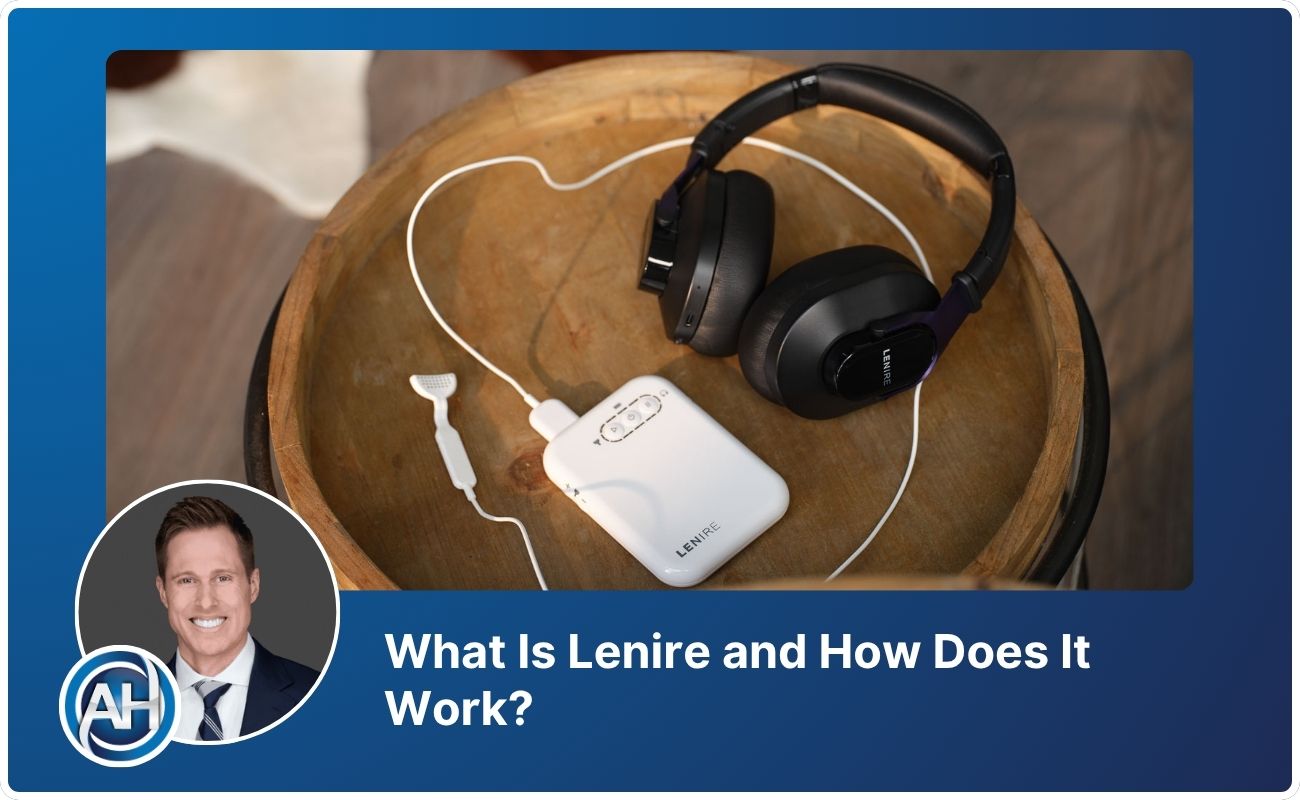
Hearing aids help a large percentage of our tinnitus patients, but they're not the only tool. Some people benefit from combining sound therapy with stress-reduction techniques, since anxiety tends to make tinnitus feel louder and more constant. Our Scottsdale location also specializes in tinnitus care and is currently Scottsdale's only Lenire partner clinic, offering an additional treatment path for patients whose tinnitus needs more than sound therapy alone.
Schedule a Tinnitus Consultation in Phoenix or Scottsdale
Tinnitus can feel isolating when nobody else can hear what you're hearing. You don't have to just live with it. Our Doctors of Audiology, some of whom manage tinnitus themselves, take the time to understand exactly what's going on with your hearing before recommending any treatment path.
Call our Phoenix office at 602-877-0000 or our Scottsdale office at 480-447-9434 to schedule a comprehensive hearing evaluation and tinnitus consultation. We'll walk you through what we find and help you figure out what actually makes sense for your ears, not just what's being marketed the loudest.