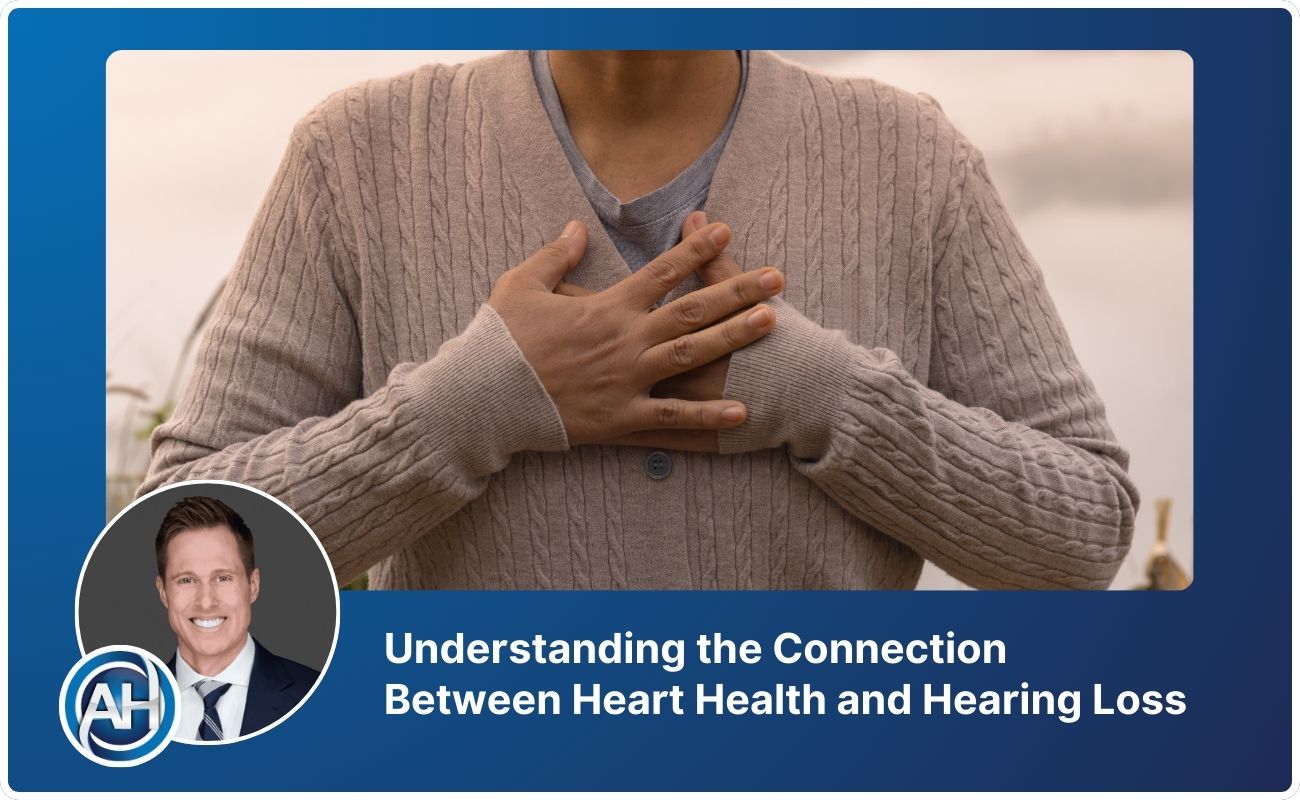
Understanding the Connection Between Heart Health and Hearing Loss
Cardiovascular health directly affects hearing because the inner ear relies on adequate blood flow, making heart disease risk factors like high blood pressure also increase hearing loss risk.
Integrate your CRM with other tools
Lorem ipsum dolor sit amet, consectetur adipiscing elit lobortis arcu enim urna adipiscing praesent velit viverra sit semper lorem eu cursus vel hendrerit elementum morbi curabitur etiam nibh justo, lorem aliquet donec sed sit mi dignissim at ante massa mattis.
- Neque sodales ut etiam sit amet nisl purus non tellus orci ac auctor
- Adipiscing elit ut aliquam purus sit amet viverra suspendisse potenti
- Mauris commodo quis imperdiet massa tincidunt nunc pulvinar
- Adipiscing elit ut aliquam purus sit amet viverra suspendisse potenti
How to connect your integrations to your CRM platform?
Vitae congue eu consequat ac felis placerat vestibulum lectus mauris ultrices cursus sit amet dictum sit amet justo donec enim diam porttitor lacus luctus accumsan tortor posuere praesent tristique magna sit amet purus gravida quis blandit turpis.

Techbit is the next-gen CRM platform designed for modern sales teams
At risus viverra adipiscing at in tellus integer feugiat nisl pretium fusce id velit ut tortor sagittis orci a scelerisque purus semper eget at lectus urna duis convallis. porta nibh venenatis cras sed felis eget neque laoreet suspendisse interdum consectetur libero id faucibus nisl donec pretium vulputate sapien nec sagittis aliquam nunc lobortis mattis aliquam faucibus purus in.
- Neque sodales ut etiam sit amet nisl purus non tellus orci ac auctor
- Adipiscing elit ut aliquam purus sit amet viverra suspendisse potenti venenatis
- Mauris commodo quis imperdiet massa at in tincidunt nunc pulvinar
- Adipiscing elit ut aliquam purus sit amet viverra suspendisse potenti consectetur
Why using the right CRM can make your team close more sales?
Nisi quis eleifend quam adipiscing vitae aliquet bibendum enim facilisis gravida neque. Velit euismod in pellentesque massa placerat volutpat lacus laoreet non curabitur gravida odio aenean sed adipiscing diam donec adipiscing tristique risus. amet est placerat.
“Nisi quis eleifend quam adipiscing vitae aliquet bibendum enim facilisis gravida neque velit euismod in pellentesque massa placerat.”
What other features would you like to see in our product?
Eget lorem dolor sed viverra ipsum nunc aliquet bibendum felis donec et odio pellentesque diam volutpat commodo sed egestas aliquam sem fringilla ut morbi tincidunt augue interdum velit euismod eu tincidunt tortor aliquam nulla facilisi aenean sed adipiscing diam donec adipiscing ut lectus arcu bibendum at varius vel pharetra nibh venenatis cras sed felis eget.
When most people think about cardiovascular health, they focus on its effects on the heart and blood vessels. What often goes overlooked is that the cardiovascular system also plays a role in hearing. Research has shown a link between heart health and hearing loss, and it's something that comes up regularly in patient histories at our practice. Understanding this relationship may help you make more informed decisions about your overall health.
How Your Cardiovascular System Affects Your Hearing
Your inner ear relies on a delicate network of tiny blood vessels to function properly. These hair cells in the cochlea need adequate blood flow to detect sound vibrations and transmit them to your brain. When cardiovascular disease restricts blood flow throughout your body, your ears are among the first organs to feel the effects.
The inner ear is particularly vulnerable to changes in blood flow because it has no backup blood supply. If these tiny vessels become damaged or blocked due to poor cardiovascular health, the hair cells they support can become damaged or die. Unlike other cells in your body, these hair cells cannot regenerate, making the damage permanent.
Research has shown that people with heart disease are significantly more likely to experience hearing loss compared to those with healthy cardiovascular systems. The same risk factors that contribute to heart disease, such as high blood pressure, high cholesterol, and diabetes, also increase your risk of developing hearing problems.
The Arizona Lifestyle and Heart Health Considerations
Living in the Phoenix and Scottsdale area offers wonderful opportunities for an active lifestyle year-round. However, our desert climate also presents unique challenges for cardiovascular health. The intense heat during summer months can place additional stress on your heart, and dehydration becomes a serious concern when temperatures soar above 100 degrees.
Staying properly hydrated supports both your cardiovascular system and your hearing health. When you're dehydrated, your blood becomes thicker, making it harder for your heart to pump effectively and reducing the efficient delivery of oxygen and nutrients to all parts of your body, including your inner ear.
The good news is that Arizona's beautiful weather during fall, winter, and spring makes it ideal for outdoor activities that benefit your heart. Regular exercise improves circulation, strengthens your heart, and helps maintain healthy blood pressure levels. Whether you enjoy hiking Camelback Mountain, biking the trails in McDowell Sonoran Preserve, or walking through the Desert Botanical Garden, these activities support both your cardiovascular and hearing health.
Common Risk Factors That Affect Both Systems
Several risk factors impact both your heart and your hearing simultaneously. High blood pressure is one of the most significant. When blood pressure remains elevated, it damages blood vessels throughout your body, including those in your inner ear. This damage restricts blood flow and oxygen delivery to the delicate structures responsible for hearing.
Diabetes is another condition that affects both systems. High blood sugar levels damage blood vessels and nerves throughout your body. The inner ear contains both small blood vessels and nerve cells that are susceptible to this damage. People with diabetes are twice as likely to experience hearing loss compared to those without the condition.
Smoking is particularly harmful to both your cardiovascular system and your hearing. The chemicals in cigarettes damage blood vessels, reduce oxygen in your blood, and contribute to the formation of plaque in your arteries. Studies have shown that smokers are more likely to experience hearing loss than non-smokers, and the risk increases with the number of cigarettes smoked.
High cholesterol contributes to the buildup of plaque in your arteries, restricting blood flow throughout your body. This reduced circulation affects your inner ear just as it affects your heart. Managing your cholesterol through diet, exercise, and medication when necessary helps protect both organs.
Recognizing the Signs
Many people don't realize they have either cardiovascular disease or hearing loss until symptoms become noticeable. With hearing loss, you might find yourself asking people to repeat themselves frequently, having trouble understanding conversations in restaurants or other noisy environments, or turning up the volume on your television higher than others prefer.
Some people experience tinnitus, a ringing or buzzing sound in their ears, which can also be related to cardiovascular issues. If you notice any changes in your hearing, it's worth discussing with both your primary care physician and an audiologist.
Taking Action for Both Your Heart and Hearing
The encouraging news is that many of the steps you take to protect your heart also protect your hearing. Regular exercise improves circulation throughout your body, including to your inner ear. Aim for at least 150 minutes of moderate aerobic activity each week. In the Phoenix area, early morning or evening walks are ideal during the hot summer months.
A heart-healthy diet rich in fruits, vegetables, whole grains, and lean proteins supports both systems. Foods high in omega-3 fatty acids, such as salmon and walnuts, are particularly beneficial for cardiovascular health and may help protect against hearing loss. The Mediterranean diet has shown promise in supporting both heart and hearing health.
Managing stress is also important for both your cardiovascular system and your overall wellbeing. Chronic stress raises blood pressure and can contribute to heart disease. Finding healthy ways to manage stress through activities like yoga, meditation, or spending time outdoors in Arizona's beautiful natural spaces benefits your entire body.
Regular health screenings are essential for catching problems early. Annual physical exams with your doctor help monitor your blood pressure, cholesterol, and blood sugar levels. Similarly, regular hearing evaluations allow us to detect hearing changes early when they're most treatable.
The Importance of Comprehensive Hearing Evaluations
At Applied Hearing Solutions, our comprehensive hearing evaluations do more than just test your hearing. We take time to understand your overall health, including any cardiovascular conditions or risk factors you may have. This information helps us provide better recommendations for protecting and treating your hearing.
Our evaluations include speech-in-noise testing, which can reveal hearing difficulties that don't always show up on standard tests. We also use Real Ear Measurement so that if hearing aids are recommended, they're programmed precisely to your individual hearing profile — a verification step that many practices skip but that makes a real difference in outcomes.
If you have risk factors for cardiovascular disease or have been diagnosed with heart-related conditions, regular hearing evaluations become even more important. Catching hearing loss early allows for better treatment outcomes and helps prevent the isolation and cognitive decline that untreated hearing loss can cause.
Schedule Your Comprehensive Hearing Evaluation
The connection between heart health and hearing loss highlights how interconnected our body systems really are. By taking care of your cardiovascular health through regular exercise, a nutritious diet, stress management, and medical monitoring, you're also taking important steps to protect your hearing.
If you have concerns about your hearing or want to understand how your cardiovascular health might be affecting your ability to hear, we encourage you to schedule a comprehensive evaluation with our team at Applied Hearing Solutions. Our experienced audiologists will take the time to understand your complete health picture and provide personalized recommendations based on your unique needs. Call us today at 602-877-0000 to schedule your appointment and take the first step toward protecting both your heart and your hearing health.